Sales: 0203 002 0710
Accounts: 0208 432 3002
Admin: 0208 432 6953


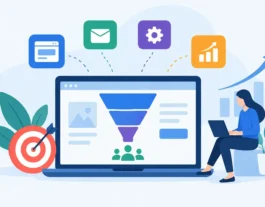
A website can look professional, rank well and still fail to bring in enough enquiries. The best conversion tools websites use are not there to add clutter or chase trends. They help business owners understand what visitors need, remove obstacles and make it easier to take the next step.
For a local service business, that next step may be a phone call, quote request or booked appointment. For an e-commerce business, it may be a completed purchase or a customer returning to buy again. The right tools make those actions easier to measure and improve, so marketing spend is not based on guesswork.
A conversion tool should solve a clear commercial problem. If people are leaving a contact form halfway through, you need to know why. If a Google Ads campaign brings visitors but few leads, you need to see whether the landing page answers the questions that matter. If sales enquiries arrive but are not followed up quickly, the issue may be process rather than traffic.
Before choosing software, decide what counts as a conversion for your business. This could include form submissions, calls, online bookings, brochure downloads, purchases or quote requests. One website may have several valuable actions, but they should not all be treated equally. A £5 enquiry and a £5,000 project enquiry are very different outcomes.
The best results usually come from a small, well-managed selection of tools. Adding too many pop-ups, chat prompts and tracking scripts can slow down a site, frustrate visitors and create more data than anyone has time to use.
Analytics is the starting point because it shows what is actually happening after someone arrives on your site. A properly configured analytics platform can show which channels generate enquiries, which pages support the customer journey and where users leave.
For most UK businesses, conversion tracking should cover contact forms, telephone number clicks, email clicks, booking confirmations and completed purchases. If you invest in SEO, Google Ads or Facebook advertising, this information is essential. Without it, it is difficult to judge whether a campaign is generating worthwhile opportunities or simply producing website visits.
Tracking needs careful setup. A form completion alone does not always mean a genuine lead, particularly if spam is an issue. Where possible, connect website conversions with the outcome in your sales process. This helps identify the campaigns and pages that generate real customers rather than empty figures.
Heatmaps show where visitors click, scroll and spend time on a page. Session recordings show anonymised visitor journeys in more detail. Together, they can reveal issues that standard analytics cannot explain.
You may find that users repeatedly click an image that is not clickable, miss a call-to-action lower down the page, or abandon a form because it is difficult to use on a mobile phone. These are practical findings that can lead to straightforward improvements.
There is a trade-off. Recordings and heatmaps are useful when reviewed with a question in mind, but they are not a substitute for commercial judgement. Watching random sessions for hours will not improve performance. Use them to investigate a specific problem, such as a high exit rate on a key service page or poor completion of an online quote form.
A contact form is often the most important conversion tool on a service business website. Yet many forms ask for too much information too early. A visitor who wants a quick conversation should not have to complete a long questionnaire before making contact.
Keep initial forms focused on the information your team genuinely needs to respond. Name, contact details, the service required and a short message are often enough. More detailed questions can be collected later, once the prospect is engaged.
Good form tools also support conditional fields, spam protection, automatic confirmations and routing enquiries to the right person. These features can make a real difference to response times. A high-performing website is of little value if new enquiries sit unnoticed in an inbox for two days.
Live chat can work particularly well for businesses where potential customers have a quick question before committing to contact. It can reassure visitors about availability, service areas, pricing approaches or turnaround times.
However, chat should only be used when someone can respond properly. An unanswered chat window can damage confidence more than having no chat at all. For smaller teams, a clear callback request or an out-of-hours message may be the better option.
The same applies to pop-ups. A well-timed prompt offering help on a complex pricing or booking page may support conversions. A full-screen pop-up that appears the moment someone lands on the site is more likely to send them elsewhere. Relevance and timing matter more than aggressive messaging.
For consultants, trades, clinics, professional services and businesses with regular appointments, online booking can reduce barriers significantly. Visitors can see available times and book when it suits them, including outside normal office hours.
The process must reflect how your business works. If every job needs qualification before a visit, a full booking system may create unsuitable appointments. In that case, a consultation request with preferred time slots can be more effective. The goal is to make the next step simple without promising something your team cannot deliver.
People rarely make a buying decision based on one claim from a business. They look for evidence. Genuine reviews, relevant case studies, accreditations, industry memberships and clear examples of previous work all help visitors feel more confident.
These are conversion tools because they address risk. A homeowner choosing a contractor, or a managing director selecting a new web agency, wants reassurance that the business is dependable, experienced and easy to work with.
Place proof close to decision points. A strong testimonial on a service page or beside a quote form is often more useful than a separate reviews page that few people visit. Keep it specific where possible. A comment about responsiveness, delivered results or a successful project carries more weight than a vague statement that a company is “excellent”.
A/B testing compares two versions of a page element to see which performs better. You might test a headline, call-to-action, form length, page layout or the order of key information. It is valuable when a page already receives enough traffic to produce meaningful results.
For lower-traffic local business sites, major improvements usually come from fixing obvious problems first: unclear messaging, weak mobile usability, slow load times or hard-to-find contact details. Testing small button colour changes with limited traffic can create false confidence. Start with the bigger commercial questions.
Conversion tools work best when they support one connected process. A visitor sees an advert or finds a page through search, reaches a service page that answers their question, takes an easy action and receives a prompt response. The business then records whether the enquiry became a customer.
This is why website design, SEO, paid advertising and follow-up should not be treated as separate activities. A strong campaign can be undermined by a poor landing page, while a well-designed page cannot compensate for leads that receive no timely reply.
At Npwebservices, we approach conversion improvement as part of the wider marketing picture. The aim is not simply to install more software. It is to build commercially focused websites that give visitors confidence, generate enquiries and provide clear evidence of what is working.
Start with your most valuable customer action and work backwards. If your priority is more qualified phone enquiries, track calls, review the pages that drive them and ensure the number is prominent on mobile. If online sales are the priority, look at product page behaviour, basket abandonment and checkout performance.
Then consider the practical demands of each tool. Does it slow your website down? Is it compatible with your existing site? Who will check it and act on the data? Are you collecting information in a way that respects privacy requirements? A tool that nobody owns quickly becomes another monthly cost with no return.
It also helps to set a review point. After four to eight weeks, assess whether the tool has revealed an issue, increased quality enquiries or improved the customer journey. Keep what produces useful insight or measurable improvement, and remove what does not.
A conversion-focused website is never finished, but it does not need constant upheaval. Small, informed improvements made consistently can turn existing traffic into more conversations, more customers and better value from every pound you spend on marketing.
