Sales: 0203 002 0710
Accounts: 0208 432 3002
Admin: 0208 432 6953


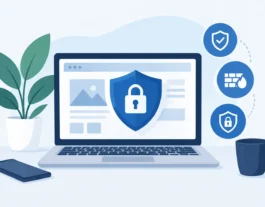
A website that generates enquiries, processes orders or collects customer details is part of your business operations, not just a marketing asset. If you are asking how to secure business website systems effectively, the objective is simple: reduce the chances of an attack disrupting sales, damaging customer confidence or creating an expensive recovery job.
For many small and mid-sized businesses, the biggest risk is not a highly sophisticated criminal targeting them personally. It is an unattended website with outdated software, weak passwords or a hosting setup that has never been properly reviewed. Security works best when it is treated as regular business maintenance, with clear ownership and practical safeguards in place.
A secure website begins before it goes live. The platform, hosting environment, user access and data collection processes all affect the level of risk. Retrofitting protection after an incident is possible, but it is more costly and disruptive than building sensible controls into the website from the start.
For a brochure website with a contact form, requirements may be relatively straightforward. An e-commerce website, membership platform or custom web application needs more detailed planning because it handles more customer information and has more ways for users to interact with it. The principle remains the same: only collect the data you genuinely need, only give access to people who need it, and keep every component maintained.
Your hosting provider is the foundation of your website security. Reliable hosting should include server monitoring, firewalls, malware protection, regular backups and up-to-date server software. It should also provide an SSL certificate so your website runs over HTTPS, protecting information transmitted between a visitor’s browser and your site.
HTTPS is no longer optional for a professional business website. Visitors expect the padlock symbol in their browser, and search engines also favour secure sites. More importantly, an unsecured connection can expose form submissions, login details and other sensitive information.
Hosting is not a set-and-forget purchase. Ask who is responsible for server updates, how often backups are taken, where they are stored and how quickly a website could be restored after a problem. A backup only has commercial value if it can be restored successfully when you need it.
Content management systems, themes, plugins and third-party tools are common entry points for attackers when they are left out of date. Software updates often contain security fixes, so delaying them unnecessarily can leave known weaknesses exposed.
This does not mean pressing update on everything without checking. Updates can occasionally conflict with bespoke functionality, e-commerce tools or other plugins. A dependable maintenance process tests significant changes, takes a backup first and checks that key functions such as contact forms, checkout and enquiry tracking still work afterwards.
The same rule applies to unused plugins, themes and user accounts. Remove anything you no longer need. Every inactive extension or forgotten administrator login is another item that needs managing.
Most website compromises do not begin with someone breaking through an impenetrable technical barrier. They start with a stolen, reused or easily guessed password. Business owners, staff, developers, agencies and former employees can all have access at different points, which is why access control deserves proper attention.
Use a different, long password for every website-related account, including hosting, domain registration, email, website administration and payment services. A password manager makes this realistic without asking anyone to memorise long strings of characters. Turn on two-factor authentication wherever it is available, particularly for administrator accounts.
Give each person their own login rather than sharing one admin account across the business. Individual accounts create accountability and make it easy to remove access when someone leaves or a supplier’s work ends. Staff who only need to update text or upload news should not automatically have full technical control of the website.
It is also worth reviewing domain access. Losing control of a domain can take your website and business email offline, so domain registration details, renewal dates and account recovery information should be current and held securely by the business.
Every form on your website should have a clear purpose. Contact forms, quote requests and newsletter sign-ups are valuable lead generation tools, but they can attract spam and may collect personal data. Use anti-spam protection, validate form fields and make sure submissions are sent and stored securely.
Avoid asking for sensitive information in a standard enquiry form. If a customer needs to share financial, health or other confidential details, provide an appropriate secure process rather than inviting them to put it in an email. The less sensitive data your website holds, the less there is to protect.
For online payments, use established payment gateways rather than storing card details on your own website. This reduces your exposure and gives customers a familiar, trusted checkout experience. E-commerce websites should also display clear privacy information and have processes for handling customer data in line with UK data protection requirements.
Security and conversion are closely connected here. A checkout page that looks unreliable, lacks HTTPS or behaves unexpectedly can cause customers to abandon a purchase even if no incident has occurred.
No security measure can guarantee that a website will never face an attempted attack. What matters is how quickly you spot an issue and how well prepared you are to respond. Monitoring can flag suspicious login activity, unexpected file changes, malware warnings and periods when the website is unavailable.
Regular backups should include both website files and databases. For a busy e-commerce site, daily backups may not be enough, depending on order volumes and how much data could be lost between backup points. For a smaller site that changes infrequently, a different schedule may be suitable. The right approach depends on the financial impact of downtime and lost information.
Keep a simple recovery plan. It should state who to contact, where backups are held, who can approve emergency work and how customers will be updated if a serious outage occurs. This saves valuable time when pressure is high. It also helps to retain copies of key website content, product data and configuration details away from the live site.
A secure website can still be affected by a compromised business email account or an employee responding to a convincing phishing message. Your website, domain, hosting and email services are connected, so security needs to cover the wider digital estate.
Train staff to question unexpected password-reset emails, invoice requests and messages asking for access. Confirm changes to bank details or domain settings through a separate trusted contact method. Keep computers, browsers and antivirus software updated, especially for anyone with website administration access.
Third-party services also deserve a review. Analytics tools, booking systems, live chat, marketing platforms and social media integrations can all require access to website data or administrator accounts. Choose reputable suppliers, limit permissions where possible and remove integrations that no longer support a clear business need.
Security is most effective when it becomes a routine process rather than an occasional reaction. A monthly maintenance check can cover updates, backups, user accounts, security alerts and website performance. A quarterly review can look more widely at plugins, forms, hosting capacity and any new data collection requirements.
For owner-managed businesses, this work is often difficult to keep on top of while running day-to-day operations. Managed website support provides a practical route to keeping technical maintenance moving, while giving you a clear point of contact when something needs attention. The right partner should explain risks in plain English, act promptly and focus on protecting the enquiries, sales and reputation your website has been built to deliver.
At Npwebservices, we see security as part of looking after a commercially effective website, alongside performance, visibility and ongoing improvement. A well-maintained site gives customers confidence to get in touch, buy online and recommend your business – which is exactly what your digital presence should help you achieve.
